Home › Masonry Restoration and Historic Preservation
Superior Masonry Topeka offers historic masonry restoration in Topeka, KS for older brick and stone buildings. We match mortar, replacement units, and techniques to preserve architectural character while stabilizing and repairing aging facades and details.
Superior Masonry Topeka provides professional historic masonry restoration throughout Topeka, KS, Kansas and the surrounding area. Our licensed, insured crew delivers safe, clean, on-time work with a free estimate before anything begins. Call (785) 783-6656 or request your free quote.
Respecting Topeka’s Brick & Stone History
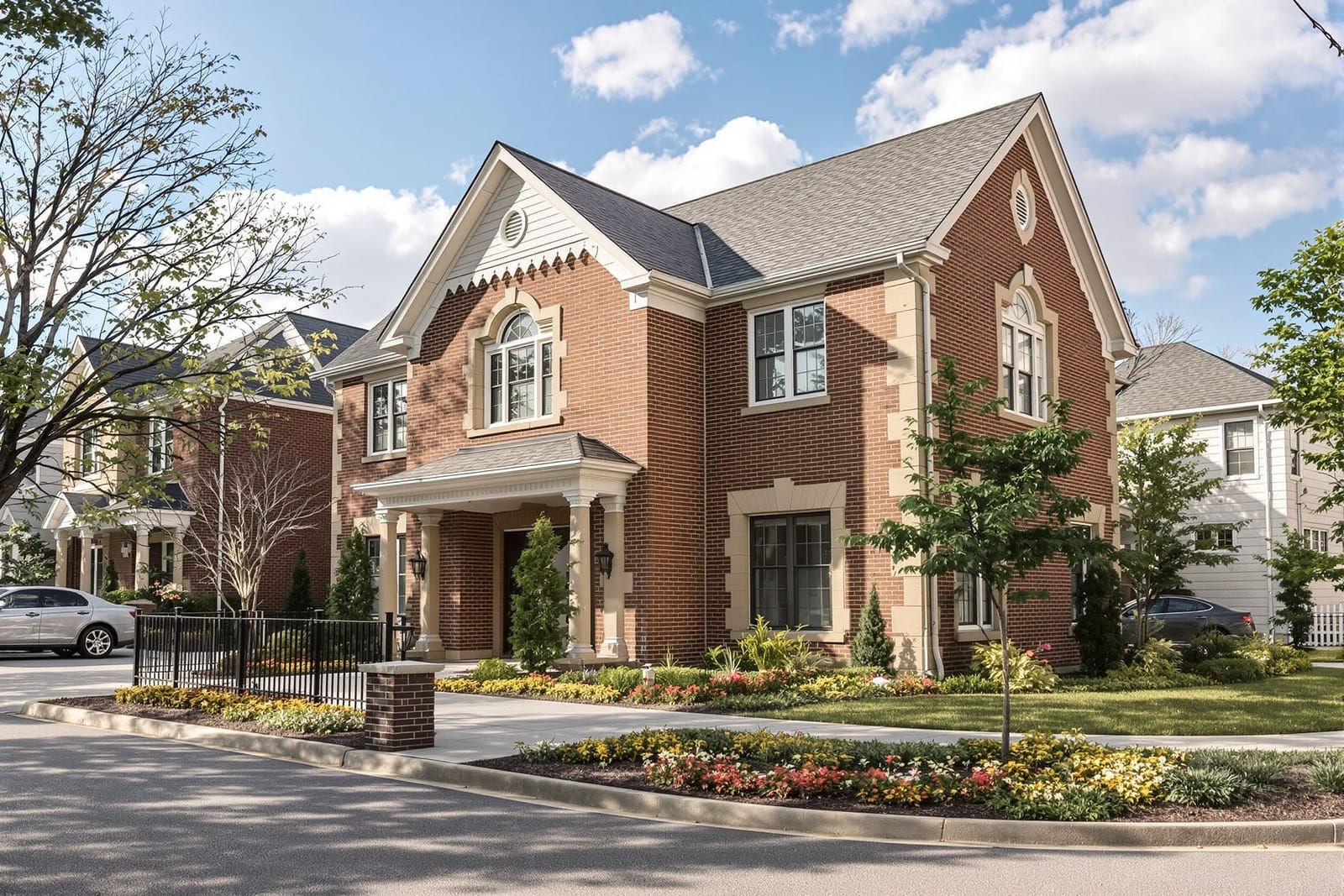
Older masonry in Topeka has a character you just cannot buy new, but age, Kansas weather, and past repairs can slowly damage it. Superior Masonry Topeka focuses on historic masonry restoration, which means bringing brick, stone, and mortar back to sound condition without wiping away the building’s history.
We work on early 1900s homes in Potwin and Holliday Park, mid century churches and schools, and commercial buildings around downtown and the NOTO Arts District. Each one is treated as a one of a kind structure. Before we touch a single brick, we walk the property with you, point out where water is getting in, show you past patches that are failing, and explain what is original and what is not. That initial walk through guides everything that follows.
Our goal is twofold: stop ongoing damage so your masonry lasts, and match the original look closely enough that a passerby cannot easily see where new work starts. We will explain what can be preserved, what must be rebuilt, and what optional upgrades (like discreet flashing or water repellents) make sense for Topeka’s freeze and thaw cycles and strong storms.
How Historic Masonry Restoration Actually Works
Historic masonry restoration is much more than “repointing some joints.” For most Topeka projects, our process includes:
1. Documentation and assessment: We photograph existing conditions, note areas of movement or settlement, and test mortar hardness. This is especially important on older brick homes near the river where moisture has taken a toll. We may gently remove a small sample of mortar and send it for analysis, or do a field comparison, so we can reproduce color and strength correctly.
2. Cleaning the masonry: We rarely use harsh pressure washing on older brick, since it can strip the fired surface. Instead, we use low pressure rinsing and carefully selected masonry cleaners that target staining (like black mildew, red clay, or white efflorescence) without etching the brick or stone. On sandstone or soft brick, we often use a two step, brush and rinse method to stay gentle.
3. Mortar matching and repointing: Matching mortar is critical. Many Topeka buildings built before the 1940s used softer lime based mortar. If you fill those joints with modern high strength Portland mortar, the brick can start spalling. We custom blend sand to match the existing grain and color, then build a mortar mix that is strong enough for our climate but still compatible with your original materials. Joints are cut by hand to remove loose or cracked mortar, cleaned with compressed air, then filled in lifts so there are no voids. Joint profiles (raked, flush, tooled) are matched to the original style.
4. Brick and stone replacement: When units are cracked through, severely spalled, or crumbling, we source replacement brick or stone that matches size, texture, and color as closely as possible. For downtown commercial buildings, we sometimes find suitable matches from regional salvage yards. We tooth new brick into the wall instead of creating obvious patches. On limestone foundations, we may hand shape replacement pieces so the coursing lines stay consistent.
5. Structural corrections and sealing details: If we see a bowing wall, failing lintels over windows, or foundation settlement, we address that so the cosmetic work will last. This can include installing or repairing steel lintels, adding wall anchors, or rebuilding small sections in stages. We also look at flashing above windows, at chimneys, and along rooflines, then add or repair it to keep water out of the wall. In some cases we apply breathable water repellents on the most exposed faces to reduce moisture absorption without trapping vapor.
Each step is photographed and discussed with you as we go, so you can see the hidden work that gives historic masonry restoration its staying power.
Common Topeka Masonry Problems We Solve
Topeka’s mix of cold winters, hot summers, and heavy storms creates predictable masonry issues that we see over and over. Knowing what is normal and what is serious helps you decide when to call in Superior Masonry Topeka.
Freeze and thaw damage: Moisture gets into hairline cracks and open joints. When it freezes, it expands and pops the face off the brick, called spalling. We commonly see this along parapet walls, chimneys, and the bottom courses near splashback from the ground. The fix usually involves cutting out damaged brick, repairing or replacing flashing or caps that are letting water in, then repointing the area with compatible mortar.
Efflorescence and moisture staining: White, chalky deposits or green algae streaks show that water is moving through your masonry. Efflorescence itself is mostly a cosmetic issue, but the water that caused it can rust embedded steel and weaken mortar. We trace the moisture path, which might mean clogged gutters, missing downspout extensions, or improper grading around older foundations, then pair gentle cleaning with repairs that keep the wall drier.
Settling and cracking: Parts of Topeka have soil that shrinks and swells, which can cause stair step cracks in brick walls and separated corners. Some hairline cracks are simply age, while wider cracks or ones that keep growing may indicate structural movement. We evaluate whether the crack is only in the mortar or also through the brick, whether doors and windows nearby still operate correctly, and whether there is any inward bowing. Solutions range from simple repointing with flexible joint details to more involved partial rebuilds or coordination with a foundation contractor.
Past bad repairs: One of the biggest issues in historic masonry restoration is fixing what someone else did quickly and cheaply. We remove hard, mismatched mortar that is forcing brick to break, peel off inappropriate sealers or paint that are trapping moisture, and rebuild sloppy patches that distract from an otherwise handsome façade. Once corrected, your building can begin aging gracefully again instead of fighting against earlier shortcuts.
What Drives Cost (And How We Help You Plan)
Historic masonry projects vary a lot in cost, mainly because no two buildings or conditions are identical. When Superior Masonry Topeka prepares an estimate, we explain which factors increase or decrease your price so you can make informed choices.
Access and height: Work at single story height with easy access costs less per square foot than work on tall chimneys, church towers, or downtown façades that need staging or lifts. If we have to set up scaffolding over sidewalks or coordinate with the city, that time gets factored in.
Extent of deterioration: If we are only repointing select joints on one side of a house, the cost is lower than a full building restoration that includes brick replacement, crack stitching, and lintel work. During the assessment, we can break the job into phases, for example, tackling the worst weather facing walls first and saving less urgent areas for another season.
Material matching: Locating rare brick or custom shaping stone pieces adds labor and sometimes travel or shipping. In many cases we can propose primary and secondary options, like a near perfect brick match from salvage versus a new, slightly different brick that is still visually acceptable but more budget friendly. We always show you samples before committing.
Detail work and finishes: Decorative cornices, arched window heads, and carved stone elements take more time to restore than flat walls. Tuckpointing with colored fine lines, often seen on early 1900s façades, is particularly detail heavy. We lay out where these labor intensive items are and price them clearly.
To keep surprises down, we typically include a modest contingency line in larger historic masonry restoration projects to cover hidden conditions uncovered after we open walls. If we do not need it, you do not pay it. If something larger appears, like concealed rot behind a stone sill, we stop, show you clearly, and work through options and pricing before proceeding.
What To Expect When You Work With Superior Masonry Topeka
From the first call to the final walkthrough, our goal is to make historic masonry restoration understandable and as low stress as possible.
Consultation and proposal: We visit your property, listen to how long you plan to own the building, what appearance matters most to you, and what budget range you are comfortable with. Within a few days, you receive a written proposal that outlines scope, methods, materials, approximate schedule, and options or alternates.
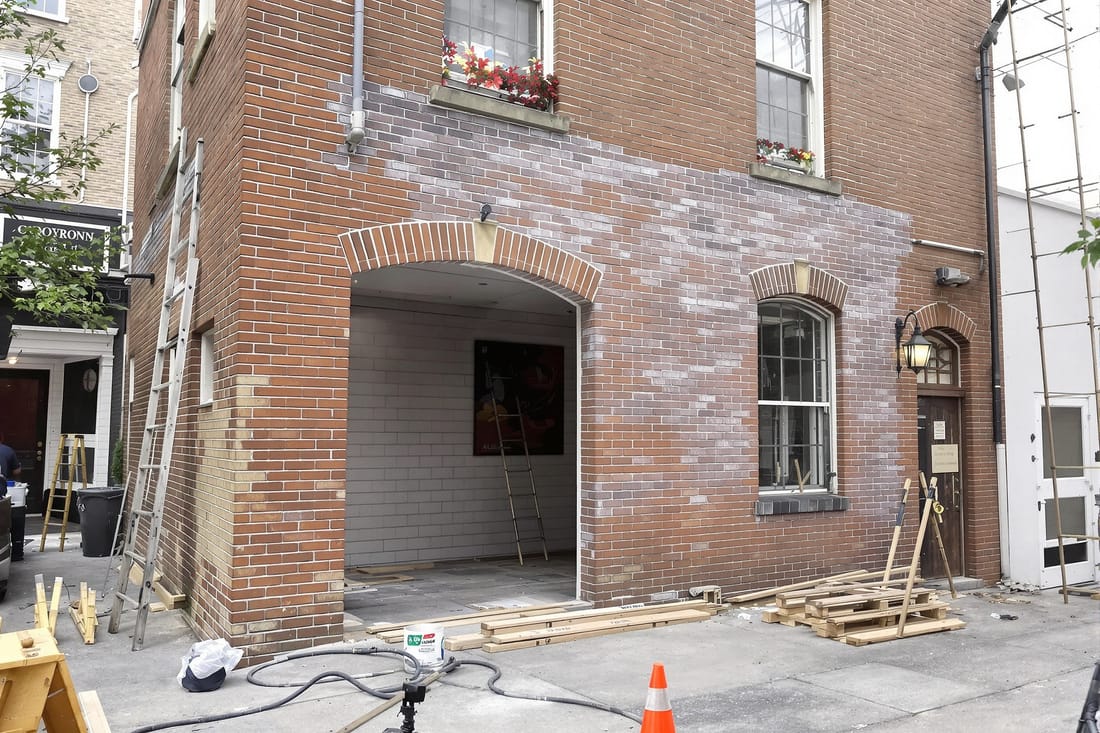
Mockups and approvals: For visible areas, especially on historic homes and commercial storefronts, we often create a small test panel. This shows you the mortar color, joint profile, and any brick replacement patterns before we apply it across the whole wall. Adjustments happen here so you are not surprised later.
Daily communication and protection: Our crew protects landscaping, sidewalks, and adjacent finishes with tarps and boards. We manage dust by working in smaller sections and using vacuums or gentle water where appropriate. At the end of each day we sweep up and secure tools. You get regular updates on what was completed, what is next, and if we found anything unexpected.
Respect for historic character: We do not “modernize” details without your permission. If a quirk of the building, like a slightly uneven window head or hand carved stone sill, is part of its charm and not a safety issue, we preserve it. When upgrades are beneficial, like stainless steel anchors instead of old iron, we hide them within the wall so they do not alter the look.
Final walkthrough and care tips: Once the work is done, we walk the project with you, explain what was completed in plain language, and point out areas to keep an eye on in the future. We also provide simple maintenance suggestions that fit Topeka’s climate, such as how often to check caulking around window frames set in brick, where to watch for gutter overflows, and when to call us for a quick inspection before small issues become expensive repairs.
If you are ready to talk about a historic masonry restoration project in Topeka or nearby communities, Superior Masonry Topeka is happy to visit, share ideas, and help you decide on a practical plan that respects your building’s history.